When the Garden Gets Heavy: Siting a Hot Tub, Fire Pit or Whopper Planter on Paving
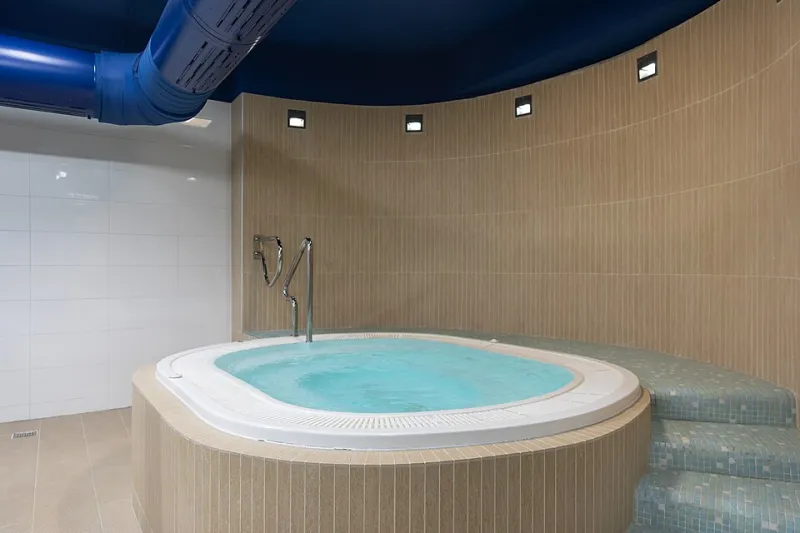
Photo: Matti Blume, CC BY-SA 4.0, via Wikimedia Commons
A patio can look reassuringly solid until a hot tub arrives, a stone planter the size of a small car is wheeled into position, or someone decides a fire pit belongs on the paving. None of these things is unreasonable. The trick is to think about how the weight and heat reach the ground, not just how good the finished scene looks.
Most garden paving is designed for people, furniture and the odd barbecue. It is not automatically designed for a permanent two-tonne water feature. That does not mean your patio is fragile. It means heavy items need a bit of thought before they settle in for good.
Point loads: the quiet reason patios fail
A point load is exactly what it sounds like: weight concentrated on a small area. A person standing on a patio spreads roughly 80kg through two feet. That is easy work. A heavy planter standing on four tiny feet is a different story. The total weight may be lower, but the pressure under each foot can be much higher.
This is why a patio can cope beautifully with a table and chairs for years, then start rocking after a 150kg planter is parked in one corner. The slab may be fine, but the bedding beneath it can compress. Once a slab loses support, joints open, edges chip and water finds its way in. In frosty weather, that little bit of movement becomes a bigger problem.
The same logic applies to hot tubs. A four-person tub might hold around 1,500 litres of water. Water weighs about 1kg per litre, so that is 1.5 tonnes before you add the shell, the cover, the steps and the people getting in. A larger tub can push past 2.5 tonnes. Spread across a decent footprint, that is manageable on a properly built base. Concentrated on small feet, it is a lot to ask of paving that was never reinforced for it.
Hot tubs need a base, not just a good view
If a hot tub is staying put, treat it like a small building project rather than a piece of furniture. The sensible approach is a dedicated, level concrete slab or a properly reinforced base designed for the load. That may mean lifting a section of patio and building it back stronger, or setting the tub on a separate pad beside the patio.
On block paving or resin bound surfaces, a permanent hot tub is usually a compromise. Block paving can settle under constant load, and resin bound gravel is not designed to be a structural slab. A load-spreading frame can help for a short period, but it is not a substitute for a proper base over the long term.
Placement matters too. Keep the tub away from the edge of the patio, where support is weakest. Think about access for maintenance and drainage, and leave room for the cover lifter to work without scraping the paving. If the patio is raised, on clay ground, or near a retaining wall, get advice before filling anything. A full hot tub is not the moment to discover that the base was only ever designed for a bistro set.
Fire pits, scorch marks and the heat question
A fire pit adds warmth and a focal point, but heat is its own kind of load. Direct flames and embers can scorch natural stone, leave permanent marks on concrete slabs and damage resin bound surfaces. Some materials cope better than others, but no patio benefits from a fire sitting directly on the surface for hours.
Use a fire pit with legs or a stand that lifts the heat source off the paving. Avoid placing it across joints, where heat can dry out pointing and accelerate movement. Keep it clear of walls, fences, plants and anything that could catch. A heat-resistant mat or a dedicated fire pit pad is a sensible buffer, especially on pressed concrete or resin bound gravel.
There is also the mess factor. Ash, oil from firelighters and soot can stain porous stone. Empty the fire pit somewhere else, not over the patio, and clean up spills before they bake in. If the fire pit is a permanent feature, consider a paved or gravel hearth area designed for it rather than parking it on the main patio.
Planters, furniture and the rust problem
Oversized planters are lovely, but wet compost is heavy. A 1m x 1m planter can easily weigh several hundred kilograms once it is filled and watered. If it sits on small feet, those feet become point loads. Use wide, flat foot pads to spread the weight, and keep the planter away from the patio edge. If it is going to stay put for years, a small concrete pad or a load-spreading base under it is worth the effort.
Metal furniture and cheap planter feet are common culprits for rust stains. Rust marks on pale paving are stubborn, and they often appear after a wet winter. Rubber or plastic feet, felt pads or small plastic saucers under legs make a real difference. Wipe up metal debris and check undersides before they leave a permanent outline.
Oil stains are another quiet nuisance. Barbecues, patio heaters and garden tools all drip. A drip tray under a barbecue and a simple mat under anything oily will save a lot of scrubbing. If a stain does land, deal with it before the next hot spell bakes it into the surface.
How to spread the load without overthinking it
For lighter items, a few simple habits go a long way. Place heavy furniture across several slabs rather than on one or two. Avoid joints when you can, because joints are the weakest part of the surface. Keep heavy items at least a slab's width away from the patio edge. Use wide foot pads, not bricks or scraps of wood that rot and concentrate pressure.
For anything permanent and genuinely heavy, though, get it designed properly. That means looking at the sub-base, the bedding layer, the slab or block construction and the drainage. A contractor can tell you whether the existing patio needs local reinforcement or whether a separate base is the cleaner answer. It is much easier to plan that before the tub is filled than after the first slab starts to rock.
A patio can take a surprising amount. It just prefers loads that are shared, heat that is lifted off the surface and heavy things that are placed with a bit of care. Choose the spot, spread the weight and keep an eye on joints and edges. That way the hot tub, fire pit and whopper planter can stay part of the garden rather than becoming the reason the patio needs rebuilding.