Cold Snap Ready: A Paving Contractor’s November Driveway Checklist

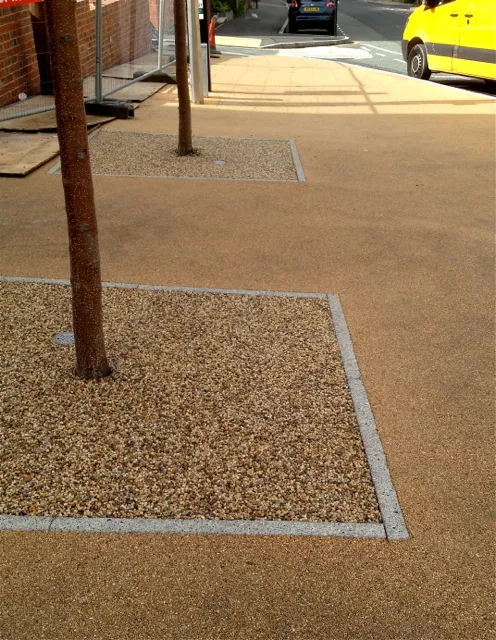
Photo: Ruth Sharville , CC BY-SA 2.0, via Wikimedia Commons
Why November is the smart month to act
As of 7 November 2026, most UK driveways have had a wet autumn and are about to meet the first proper frost. That combination is not kind to paving. Water gets into joints, cracks and low spots, then freezes, expands and loosens things that were previously fine. The damage rarely appears dramatically overnight. It shows up later as rocking blocks, a new puddle, a crumbled edge or a patch of tarmac that starts to break up.
A November health check is not about making the driveway look perfect for winter. It is about catching the small, affordable problems before cold weather turns them into structural ones. You do not need specialist tools for most of it. You do need to be honest about what is a DIY job and what needs a paving contractor.
Start with water, because water is the real enemy
Wait for a rainy day, then go outside and look at where the water actually goes. Check for standing puddles, especially near the garage, front door, boundary walls and any low point in the middle of the drive. Clear leaves and debris from gullies, channel drains, hoppers and soakaway covers. A blocked gully is one of the simplest causes of winter flooding, and it is usually a ten-minute job with gloves and a rake.
If water still sits for more than a day after rain, or if drains smell or back up, that is a sign the fall, drain or soakaway is not working properly. Do not ignore it. Repeated standing water softens the sub-base and makes frost damage much more likely. This is the point to get a professional to inspect the drainage rather than adding more gravel and hoping.
Check the joints and jointing sand
On block paving, look at the joints between the blocks. In a healthy drive, the jointing sand should sit just below the chamfer, not several centimetres down. If the joints look hollow or washed out, top them up with kiln-dried jointing sand on a dry day. Brush it in, compact it gently and brush off the excess. Do not use ordinary building sand or wet sand, and do not overfill.
If the sand washes out again within weeks, or if blocks are moving and joints are opening up, the issue is probably more than a top-up. It could be drainage, edge restraint or sub-base movement. Resin-bound surfaces need a different check: look for loose aggregate, dull patches, cracks or areas where water no longer soaks away. Small resin repairs are possible, but they are not a good DIY first job.
Look for cracks, movement and failed edges
Walk the driveway slowly and look at the edges as carefully as the middle. Check kerbs, edging blocks and any retaining restraints. A loose edge allows the whole surface to spread, and that is when joints open and blocks rock. Small hairline cracks in tarmac or concrete can be cleaned and filled before frost gets in. Wider cracks, sunken areas, rocking blocks or a leaning edge need a proper assessment.
Be cautious with crack filler on a cold, damp day. It will not bond properly. If the crack is wide enough to take a finger, or if one side of it has dropped, it is a symptom rather than the problem itself.
Deal with moss, algae and weeds now
Moss and algae love shaded, north-facing paving and damp autumn weather. They hold moisture against the surface and make the drive slippery. Scrape off heavy moss, treat the affected area with a suitable paving cleaner and brush it clean once dry. Avoid blasting block paving with a powerful jet wash at close range, as that can erode jointing sand and damage the surface. If you do jet wash, plan to re-sand afterwards.
Weeds in joints are a nuisance but rarely an emergency. Pull them while the ground is soft rather than letting them establish. If weeds return in the same lines every year, the joints may be too wide or the sand may be failing.
Check stains and think twice about sealing
Oil, rust and algae stains are easier to treat before winter. A little absorbent material on fresh oil, followed by a suitable cleaner, can stop it setting into the surface. Do not apply a sealant in cold or damp conditions. Most sealers need mild, dry weather and a genuinely dry surface. If a driveway needs sealing, spring is usually a safer bet than a cold November week.
The DIY versus professional line
DIY is sensible for clearing drains, removing leaves, top-up jointing sand, pulling weeds, small crack filling and general cleaning. Call a paving professional if you have persistent standing water, widespread joint failure, rocking or sunken blocks, failed edging, a resin surface that is breaking down, or a crack that keeps returning. Those are the jobs where a cheap fix in November often becomes a replacement in spring.
A realistic priority list for the next dry day
- Clear every drain, gully and soakaway cover.
- Look for puddles and note where they sit.
- Top up jointing sand where it has washed out.
- Remove heavy moss and weeds.
- Mark any trip hazards, rocking blocks or failed edges.
- Book a professional inspection for anything structural or drainage-related.
You do not need to fix everything before the first frost. You do need to stop water getting into places it should not be. A focused hour this month is usually cheaper than a repair bill once the thaw arrives.