That Chalky Sheen After Installation: Telling Paving Bloom Apart From Damp and Dirt
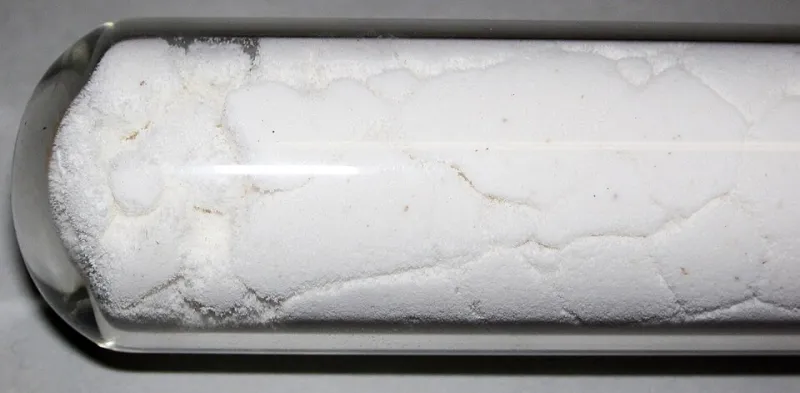
Photo: James St. John, CC BY 2.0, via Wikimedia Commons
You have just had a new driveway or patio laid, the weather has turned, and a pale chalky patch has appeared across the surface. It looks like someone has dusted the stone with flour. Naturally, your first thought is that something has gone wrong. In most cases, it has not.
Fresh paving goes through a settling-in period, and one of the most common visual side effects is efflorescence: a white bloom of salts brought to the surface by moisture and left behind as that moisture evaporates. It can show up on concrete block paving, clay pavers, mortar joints and natural stone. It is usually temporary, usually harmless, and almost always more of a cosmetic nuisance than a structural problem.
That said, not every white or green mark is efflorescence. Some marks are algae. Some are lichen. Some are simply dirt or mortar haze. Knowing which is which saves you from scrubbing too hard, sealing too soon, or ignoring a genuine drainage issue.
First, the honest bit: new paving often looks worse before it settles
A newly laid driveway or patio contains a lot of moisture. There is water in the bedding layer, in the mortar, in the sub-base and sometimes in the pavers themselves. As the system dries, soluble salts move to the surface and crystallise. The result is that powdery white film.
It can appear weeks after installation, disappear after rain, then return as the surface dries again. In the UK, the damp autumn and winter months tend to encourage it, while a dry, breezy spell can make it fade. Recurring bloom in the first year is not a sign that the paving was badly installed. It is often just part of the curing and drying process.
Efflorescence, algae, lichen and plain old grime
Efflorescence is dry and powdery. If you rub it with a dry finger, it may come away like talcum powder. It tends to appear in patches, often near joints or edges, and it can look brightest after a wet spell followed by drying. It does not feel slimy, and it does not form a thick crust.
Algae is different. It looks green, grey-green or brownish, and it feels slippery when wet. It prefers shaded, damp areas, especially north-facing patios, edges under gutters and spots where water lingers. Lichen is crusty or circular, often grey, green or yellow, and it clings to the surface rather than brushing away. Dirt and mortar haze are more uniform and smeary; mortar haze often sits close to the joints after pointing work.
If the mark brushes away easily and returns after wetting and drying, efflorescence is the likely culprit. If it is green and slippery, you are dealing with algae and possibly poor drying. If it is crusty and patchy, lichen has moved in. None of these are a reason to reach for the most aggressive cleaner in the shed.
What not to do in the first few months
Do not acid-wash new paving. Do not attack it with a stiff wire brush. Do not seal it while the paving is still damp or while bloom is active. Sealing too early can trap moisture inside the surface, and that is a much bigger problem than a bit of white powder.
High-pressure washing is also best avoided on new block paving and mortar joints. It can blast away jointing sand, open up the surface and drive water deeper into the construction. A gentle rinse with a hose and a soft brush is usually enough for routine cleaning.
What actually helps
Start with patience and a dry brush. Sweep the surface when it is dry, let the paving breathe, and keep gutters, downpipes and drainage channels clear so water is not sitting where it should not. Good airflow helps, too, especially on shaded patios. Trim back overhanging plants if they are keeping a section permanently damp, and check that pots and planters are not trapping water against the paving.
If the bloom is stubborn after the first year, a proprietary efflorescence remover may help, but use it sparingly and follow the instructions. Test a small, inconspicuous patch first. Never mix cleaning chemicals, and avoid strong acids on concrete or cement-based joints unless you know exactly what you are doing. At Hiskins Paving, our advice is simple: if in doubt, clean less and observe more.
A simple seasonal inspection routine
Pick a dry day once a season and walk the driveway or patio slowly. Look at the edges, the joints, the low spots and the shaded corners. Brush off any loose bloom with a soft brush. Note whether the white marks are in the same place each time or whether they move around.
Check the practical stuff as well: gutters overflowing, downpipes discharging onto the paving, drains blocked with leaves, and paving that stays wet long after the rest has dried. Take a photo on your phone. It is surprisingly useful for comparing one month with the next.
In spring, after the wet winter, expect a bit more bloom and algae. In autumn, clear leaves before they break down into a slippery film. In winter, avoid rock salt sitting in piles on the surface, and sweep up any that gathers. In summer, a gentle wash and a dry brush will usually keep things tidy.
When the mark is trying to tell you something else
Efflorescence that keeps returning in one narrow strip near a wall, a drain or a joint may point to water getting in where it should not. Algae that flourishes in one shady corner may mean the paving is not drying out. If joints are crumbling, pavers are rocking, or the surface sounds hollow, stop cleaning and get the construction checked.
The white bloom itself is rarely the emergency. Persistent damp, poor drainage and failing joints are the things worth investigating. A new surface should settle down, not steadily deteriorate.
The reassuring version
A chalky film on new paving is often just the surface telling you it is still drying out. Brush it, watch it, keep water moving away from the building, and give it time. Most bloom fades with the seasons. If it does not, or if the paving stays wet and green, that is your cue to look at drainage and maintenance rather than reaching for a harsher cleaner.