The Sealer Isn't the Hero: Reading Your Driveway Before You Reach for a Tin
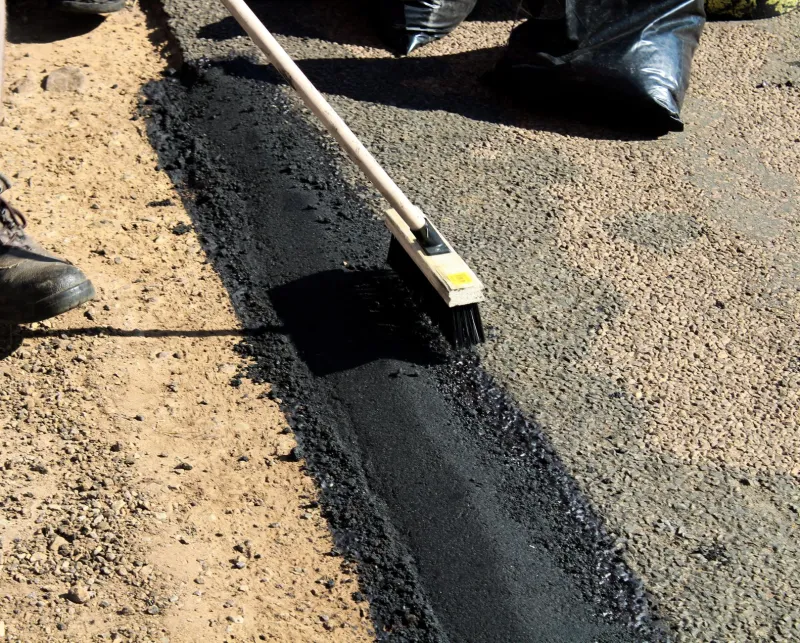
There is a moment in many driveway conversations when someone reaches for a tin and calls it protection. It sounds sensible: paving costs money, so seal it. But a sealer is not a force field. On some surfaces it is genuinely useful, on others it is a waste of a weekend, and on a few it can make the driveway worse by holding moisture where it cannot escape. The decision is not really about whether you like the idea of sealing. It is about what your driveway is made of, how it drains, and what you are actually trying to stop.
A Sealer Is Not a Cure for Bad Drainage
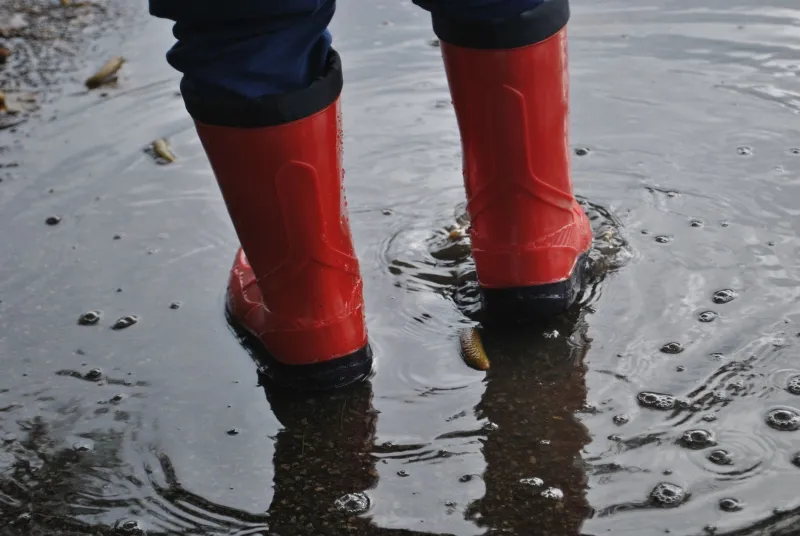
A sealer sits on or just inside the paving surface. It cannot fix a sub-base that was never compacted properly, a fall that sends water towards the house, or joints that have been hollowed out by ants and frost. If water is already finding a way into the wrong place, a coat of sealer will not redirect it. It may make the surface look sharper for a season, but the underlying problem is still there.
That is why the first question is not which sealer to buy. It is whether the driveway is in a fit state to be sealed at all. Loose joint sand, cracked blocks, rocking slabs, blocked gullies and failed edges all need attention before any product goes down. Sealing over them is a bit like painting a damp wall: the finish may hold for a while, but the cause is still working away underneath.
Block Paving: Beware the Efflorescence Trap
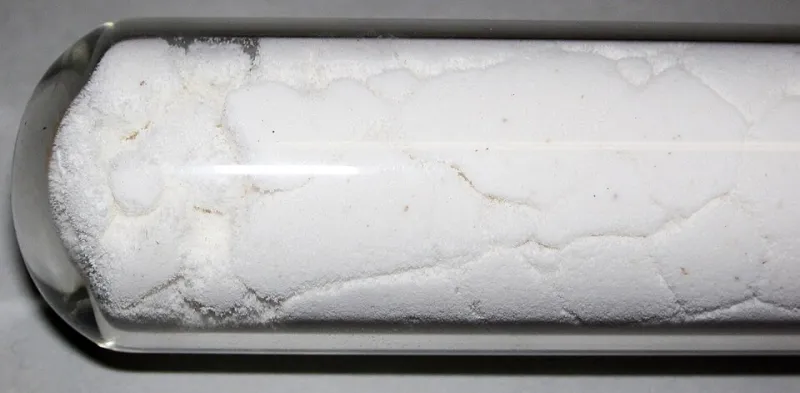
Block paving is the surface most often sealed, and it is also the one where timing catches people out. New block paving can throw up a pale, chalky bloom as salts move through the bedding and jointing materials. That is normal, and it usually clears with dry weather and sweeping. Seal it too early and you can trap that bloom under the film, leaving a cloudy finish that is very difficult to remove without stripping the sealer again.
A sensible approach is to let new block paving settle and dry out properly, and to deal with any bloom before you think about sealing. If the paving is still damp, the weather is cool and humid, or rain is forecast within the curing window, wait. A sealer applied to a damp surface can dry with a patchy sheen and may not bond evenly. In 2026 there are plenty of products claiming to be all-weather or one-coat, but the basics have not changed: dry surface, dry forecast, correct temperature, sensible coverage.
Breathability matters too. A film-forming acrylic sealer can darken the paving and, on a driveway that stays damp, may become slippery in wet or frosty weather. Some homeowners like the deeper colour and accept the trade-off. Others find that a breathable impregnating sealer is a better fit because it does not sit on the surface as a skin. It is not a universal answer, but it is worth asking what the product is designed to do rather than assuming all sealers behave the same way.
Natural Stone: The Surface Has to Breathe
Sandstone, limestone and other natural stone paving often need to breathe. If moisture gets into the stone and cannot get out, freeze-thaw cycles can lead to spalling, flaking and a surface that starts to look tired much earlier than it should. A heavy film-forming sealer on a damp natural stone patio or driveway is therefore not automatically a kindness. It can be the thing that keeps the moisture in.
If a natural stone surface is going to be sealed at all, a breathable impregnating sealer is usually the more sensible conversation. Even then, a test patch is essential, because stone varies enormously. Some pieces are dense and take a sealer reluctantly; others are more absorbent. The colour change can also be significant, and it is better to discover that on a spare slab than across the whole drive.
Porcelain: The Surface That Rarely Needs It
Porcelain paving is a different animal. It is vitrified, very dense and has a low porosity, which is one of the reasons it has become so popular for patios and driveways. Sealing the face of porcelain is usually unnecessary, and some sealers can leave a residue or a patchy sheen that is harder to live with than the original surface. The joints and the base are where the real work happens.
That does not mean nobody should ever apply anything to porcelain. There are products for specific jointing or anti-stain purposes, and some installations may call for a particular approach. But if someone is selling a porcelain driveway seal as an essential annual treatment, it is fair to ask what it is actually protecting. In many cases the money is better spent on proper cleaning, joint maintenance and making sure water is leaving the surface quickly.
Freeze-Thaw and the British Winter
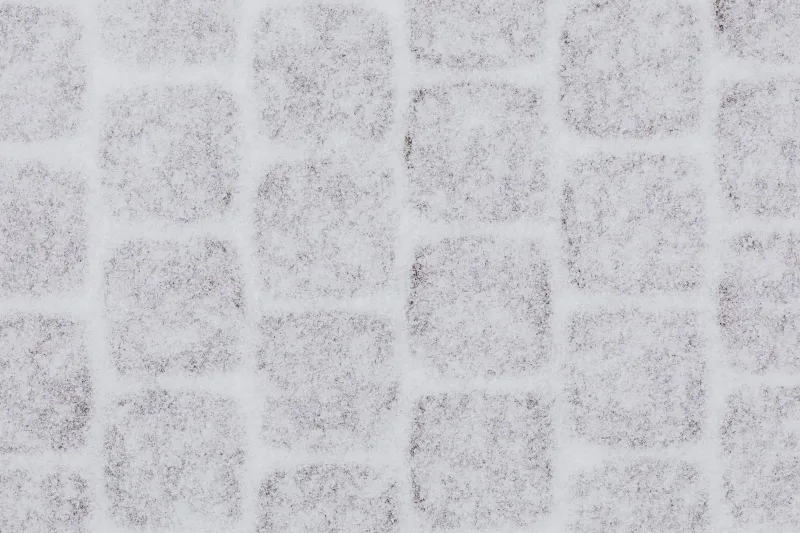
British winters are not reliably severe, which is part of the problem. A driveway can be wet for weeks, then freeze hard for a few nights, then thaw and refreeze. Water that has found its way into joints and pores expands when it freezes, and that cycle is what loosens paving. A suitable breathable sealer can reduce the amount of water the surface absorbs, which may help. A badly chosen film-forming sealer can trap water and make the situation worse.
No sealer, however, is a substitute for good falls, clear drainage and sound joints. If the driveway already holds puddles, fix the puddle rather than sealing over it. If the joint sand has washed out, top it up. If the edges are moving, sort the edge restraint. Those are the things that decide whether the driveway survives a cold snap, not the label on a tin.
The Routine That Beats Any Tin
Here is the less exciting truth: the maintenance routine matters more than the sealer. Sweep leaves and grit before they work their way into joints. Top up joint sand on block paving when it drops. Keep gullies and channel drains clear. Remove weeds while they are small. Clean with a product suited to the surface rather than blasting everything with a pressure washer. Check the edges now and then. These habits do more for the long-term appearance of a driveway than an annual coat of something shiny.
Sealing can be part of a sensible maintenance plan, but it should not be the whole plan. A driveway that is cleaned, drained and looked after will usually outperform a sealed driveway that is left to collect moss and standing water.
When to Leave It Alone
There are times when the best decision is no sealer at all. If the paving is new, wait. If the surface is damp or the weather is turning, wait. If the driveway is already suffering from trapped moisture, flaking or patchy previous sealer, do not add another layer on top; get advice on stripping and preparation first. If the surface is porcelain, be sceptical about anyone who says it must be sealed. And if you are unsure, try a small test area and live with it through a wet spell before committing to the whole drive.
A driveway is not improved by a product alone. It is improved by reading the surface in front of you, fixing what needs fixing, and using a sealer only where it earns its place.